
Eroticism and Literary Authority
The FriendThis flow traces how the Deceased Friend’s belief in erotic teaching collides with institutional rules and changing expectations of classroom safety.
increasing Bearing strength in each event
 decreasing
Bearing strength in each eventdecreasingThe Classroom Ideal

The Classroom Ideal
Knowledge as seduction
The Deceased Friend teaches that intellectual exchange is charged with desire and that a teacher may be a seducer or heartbreaker. The Narrator experiences the idea as thrilling because she wants the knowledge he can transmit.
Authority beneath attraction
The classroom is not a meeting of equals. His romantic philosophy risks making student trust and dependence seem like permission for intimacy.
The Complaint About Dear

The Complaint About Dear
A collective objection
Women students write to the Deceased Friend that his habit of calling them dear feels demeaning and inappropriate. They ask him to stop, and he does.
Intent versus impact
He regards the complaint as petty because the habit once seemed harmless and had gone unchallenged. The Narrator argues that silence cannot prove acceptance, exposing a conflict over whose interpretation governs classroom conduct.
The Grade Investigation

The Grade Investigation
An allegation of retaliation
A former student says the Deceased Friend lowered her grade after she rebuffed his advances. The committee finds the grade generous but still criticizes his judgment and lack of propriety.
A warning without change
The case raises a formal concern but does not stop his romantic involvement with students. The gap between procedural judgment and changed behavior remains central to the conflict.
Mandatory Training
Mandatory Training
A broad definition
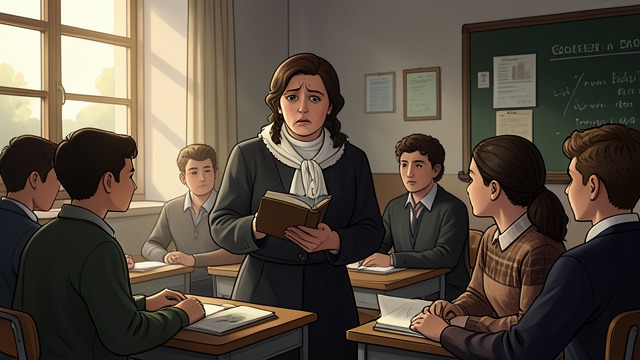
The Narrator takes an online sexual-misconduct course and learns that sexual references and some personal conversations may be reportable. She worries that a writing workshop may not be exempt from the rules.
A changed institutional climate
The material contrasts sharply with the Deceased Friend’s older confidence in erotic teaching. The Narrator sees that institutions now name risks he once dismissed, though the rules can feel blunt in artistic settings.
The Public Rebellion

The Public Rebellion
Defending danger
The Deceased Friend calls restrictions on professor-student romance foolish and rejects a university whose priority is making everyone feel safe. His defense presents transgression as necessary to human and artistic possibility.
Unsettled consequences
His argument carries force as a critique of excessive institutional caution, but his history of student relationships complicates it. The book leaves the conflict between freedom, power, and responsibility unresolved.
When the Narrator is a student
During a later workshop semester
Years before his retirement from teaching
During the Narrator’s later teaching career
Near the Deceased Friend’s final interview
